





Hot Chilli Bells RTP Explained
Understand payout ratio, fluctuation, and limits so you can play more relaxed in Germany 18+ and stop in time.
What Payout Ratio Means in Everyday Life
Imagine you're spinning for a while, seeing a few small wins, and asking yourself: "Is this good or bad?" It's precisely at this moment that the payout ratio becomes interesting, because it shifts your perspective away from individual spins towards the bigger picture. It describes a theoretical average over many, many rounds, not the result of your session today.
In everyday life, this value primarily helps you to contextualize: you'll quickly recognize that short losing streaks are normal and don't automatically mean that "something is broken." Many players make the mistake of increasing their stake out of impatience, believing that a win must come soon. It's better to view the ratio as guidance and then plan your budget in such a way that you can withstand fluctuations without becoming frantic.
A practical test: If, during a quiet phase, you immediately feel the urge to click faster or bet more, the slot is not the problem, but the framework. Lower your bet, shorten the session, or take a break. This way, the game remains entertainment and does not become a hunt for a feeling of fairness.
How to Get Started in Germany Without Stress
When you play in Germany, a good session doesn't start with the start button, but with two minutes of preparation. Imagine you win and want to cash out later, but then a step is missing in your profile – suddenly joy turns into pressure. Many players therefore complete account setup and age verification from 18+ early, when their mind is calm.
After that, set limits before emotions arise: time limit, deposit framework, loss limit. These are not formalities, but guardrails. If you notice that you often play "just for a moment" and an hour is gone in the end, a timer is often more effective than any self-discipline.
The environment also counts. Don't play casually if you're tired or distracted. A slot can be fast, and speed loves autopilot. A clear start – timer on, budget set, short test phase – ensures you don't have to negotiate with yourself later.
Hot Chilli Bells Understanding RTP Correctly
Imagine you're comparing two slots and want to know which one "feels better." Many only look at one value and expect that to immediately translate into frequent wins. In practice, it depends on how much the results fluctuate and how long you intend to play. The payout percentage is one building block, but without a session plan, it remains theory.
Variance and Expectation Management
Suppose you start with the idea that a big hit automatically follows a dry spell. This exact expectation makes sessions expensive because it leads to impulsive bet changes. A sober perspective is better: fluctuations are part of the game, and your control lies in stakes, pace, and stopping points.
If you notice yourself calculating internally or wanting to "get back" what you lost, that's a stop signal. Many players approach it pragmatically: they play in short sets, evaluating not every spin, but the segment. This keeps the mood stable, even if the slot is currently not paying much. And if the slot is running well, the same structure protects against overconfidence.
Why Short Sessions Are Deceptive
Imagine you play for ten minutes, lose a little, and conclude that the slot is "bad." Short sessions are a poor judge because they don't reflect the long-term distribution. A realistic approach is to view the first block as a test: Does the pace fit? Do you remain calm? Is the bet comfortable?
If the answer is no, stop early instead of digging in. If the answer is yes, play the second block – but still with a clear limit. Many players underestimate how quickly fatigue and impatience arise when sitting for too long. A timer prevents you from only stopping when your mind is already in stress mode.
Payment Methods and Limits
Imagine the session is running, you're in the flow, and suddenly the thought comes: "I'll just top up quickly." It's at this exact moment that it's decided whether you have a plan or are just reacting. Therefore, separate organization from playing: first set limits, then deposit, then play – and don't start withdrawals on adrenaline.
Area | What to Set Beforehand | Typical Benefit |
Timeframe | fixed duration per session | prevents long autopilot phases |
Budget | clear entertainment amount | reduces pressure and spontaneous decisions |
Deposit Limit | maximum top-up per day/week | stops impulse top-ups |
Stop Loss | hard stop point | protects against chasing losses |
Win Rule | Pause or end after peak | makes advantages tangible |
Depositing With a Plan
When you deposit, do it before the session, not during it. Imagine you're slightly in the red and want to "just quickly" top up – that's rarely a calm decision. A simple rule helps: one deposit per session, after that, the cashier remains closed.
If the impulse still comes, take a break. Stand up, get some water, wait two minutes, then decide. Many realize during this time that they don't really want to keep playing, but just want to dampen their frustration. This mini-obstacle protects your budget more than any good intention.
Withdrawal Without Haste
Imagine you hit a good win and immediately keep clicking because it feels like "more is coming now." It's precisely then that winnings often disappear again without you noticing. After a peak, first take a break and then decide whether to secure your winnings or end the session.
For a smooth withdrawal, preparation helps: keep profile information consistent, complete necessary steps early so no pressure arises later. If there are queries, remain factual and gather the facts (amount, date, status) instead of frantically continuing to play. Organization is easier when you're not simultaneously in game mode.
Actively Use Protection Features
If you notice you're getting irritated or clicking faster, it's time to step back. Imagine you're no longer playing for fun, but out of a sense of obligation – that's the moment for a timeout. A short break breaks the pattern before it gets expensive.
Self-exclusion is also a tool if behavior repeats: playing too often, staying too long, topping up too frequently. In Germany, responsible gaming from 18+ is part of the framework, and these options help to maintain control, even if the mood is shifting.
Game Pace and Bonus Moments
Imagine you're spinning quickly because the graphics keep you in sync, and only later do you see your account balance. Pace is often the invisible lever - not because the rules are different, but because you lack pauses for decision-making. Whoever controls the pace controls the session.
Play Base Round in Sets
Many players start better when they think in sets: ten to thirty spins, then stop, then a quick check. Imagine you play without set limits; then every round becomes an invitation to press 'one more.' Sets create natural endpoints where you clearly decide: continue, smaller, or quit.
Keep the bet constant in the first set. If you change it during the test run, you're no longer comparing anything and just playing by feel. After the set, check three things: time, budget, mood. If one of them tips, a break is the right answer, not more speed.
Read Special Symbols and Hit Patterns
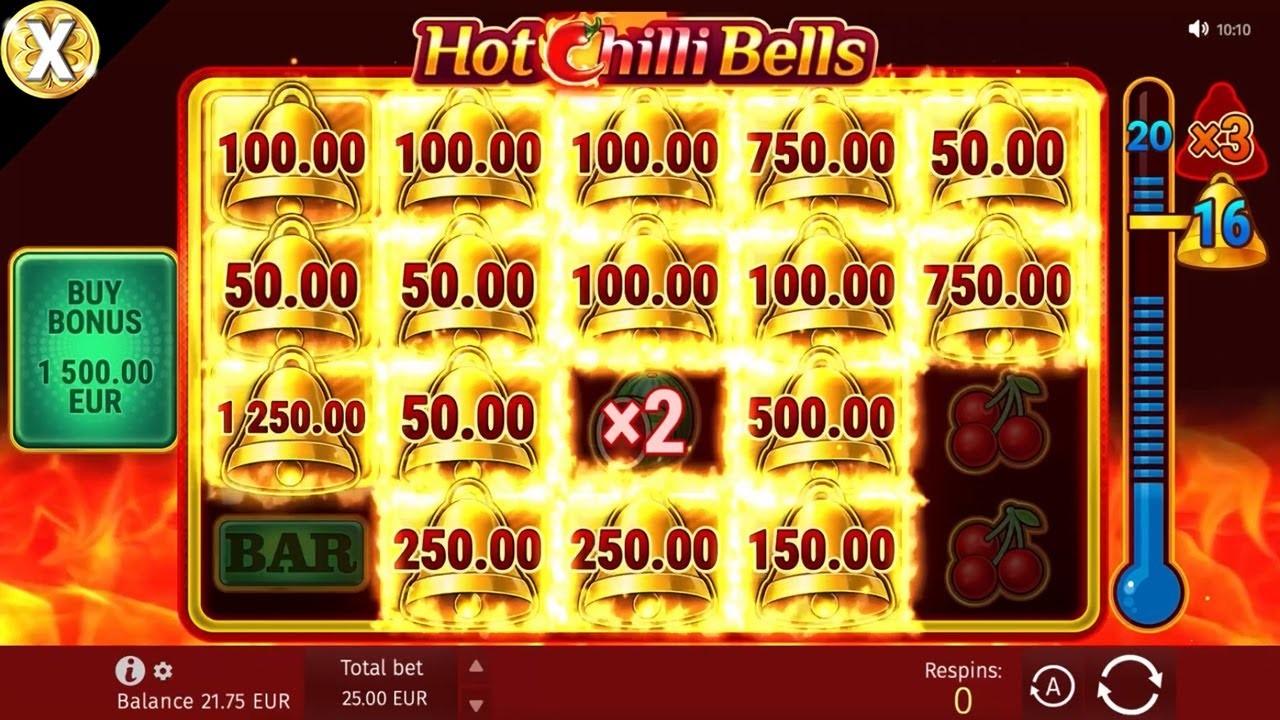
When a slot has special symbols and striking hit patterns, it quickly acts like a signal. Imagine you see several exciting symbols and believe the game is 'warming up.' This is the moment when many unconsciously speed up or raise their bet.
Treat such moments like weather, not like promises. You observe, but you don't change your basic rules in the middle of the action. This sounds strict, but it's reassuring: you don't have to guess what's coming next. You just have to stick to your plan.
Control Auto-Spin and Turbo
Auto-spin is practical but dangerous if you let long series run. Imagine you look away briefly, and suddenly many spins are done. Use short series and set a mandatory stop after each series. This way, the decision remains yours.
Turbo exacerbates the problem if you are tired or distracted. In that case, play slower or not at all. Slow spins give you back seconds to remember your rules. And precisely these seconds prevent entertainment from turning into an unnoticed budget loss.
Stopping Correctly After a Peak
Imagine you're ahead and feeling euphoria: 'It's going well now, I'll stay in.' This is the moment when many winnings flow back. After a peak, make a clean break: pause, step away from the screen, then make a decision.
A good principle is 'profit is a conclusion.' You finish a set, secure a portion, or stop. If you continue playing, then only with the next block and with the same betting framework as before. This way, the session remains controlled, regardless of whether the slot continues to pay out or becomes quiet again. In the end, what matters is not whether a peak occurred, but whether you ended cleanly.
FAQ
How do I find the payout rate in the game menu?
When you open the game, look for an info or rules section where key figures and functions are explained. Imagine skipping that and guessing during the session - that creates unnecessary pressure. Read up briefly, then start with a fixed test block, and only then evaluate the progress.
Why does a slot feel sluggish despite a good payout rate?
Short sessions often only show a snippet of the fluctuations. Imagine playing for ten minutes and expecting a clear judgment - the sample size is too small for that. Plan in sets, keep your bet constant, and stop when impatience urges you to make decisions.
Which limits are most important for beginners?
A time limit, deposit limit, and a hard stop-loss work most effectively together. Imagine playing without a timer and losing track of time - then you slip into autopilot. With limits, you end the session cleanly before emotions take over.
What do I do if I want to reload because things are going badly?
First, stop and take a real break. Imagine the impulse comes from frustration and not from a calm plan - then reloading is almost always expensive. Wait two minutes, check your limit, and only then decide, or consistently end the session.
When is the best moment to secure winnings?
After a noticeable hit, a break helps prevent euphoria from turning into overconfidence. Imagine you keep spinning immediately because it feels like 'more' - often, the advantage then disappears. End the set, take a short break, and consciously decide whether to stop or secure a portion.
When is a timeout or a longer break advisable?
As soon as playing feels like an obligation, stress relief, or chasing losses. Imagine you become irritated, click faster, and only look at your account balance - that's a stop signal. A timeout creates distance, and a longer break is wise if the pattern repeats and control is lost.